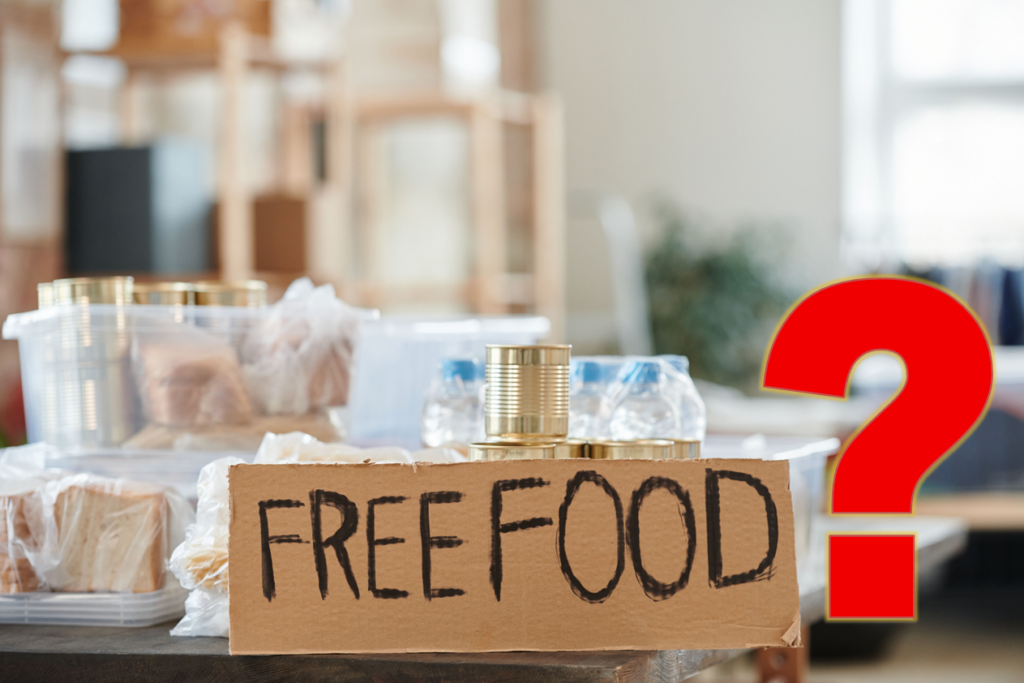

When we think about hunger, many of us picture somewhere far away.
- Another country.
- Another city.
- Another community.
But the truth is much closer to home.
Hunger lives here in Okehampton.
It might be the parent you see at the school gates each morning, quietly wondering how to stretch dinner for one more night.
It could be an elderly neighbour forced to make an impossible choice between heating or eating.
Or a hardworking family hit by an unexpected bill, a job loss, or rising energy costs — suddenly finding themselves struggling behind closed doors.
Food insecurity doesn’t always look the way we expect.
Many of the people who rely on Okehampton Food Bank are working, caring for families, and doing everything they can to stay afloat. Sometimes, all it takes is one setback, a broken washing machine, a missed pay cheque, or the rising cost of living, and putting food on the table becomes a daily worry.
And no one should have to face that alone.
Right Here in Our Community
Every week, individuals and families in Okehampton turn to the food bank for support.
They’re not strangers.
They’re our neighbours.
- Children who need breakfast before school
- Parents skipping meals so their kids can eat
- Older residents living on fixed incomes
For many people, the food bank is not a long-term solution; it’s a lifeline during a difficult chapter, giving them breathing space while they get back on their feet.
Your Kindness Makes a Real Difference
The good news is this: because hunger is local, so is the solution.
Every donation stays right here in our community.
- A few extra tins in your shopping basket.
- A small monthly donation.
- An hour of your time volunteering.
Together, these simple acts create something powerful.
A single food parcel can mean:
- Hot meals for a family
- Less stress and worry
- The dignity of knowing someone cares
Sometimes it’s not just food we provide.
It’s hope.
Giving from the Heart
For many in our community, giving is also an expression of our Christian faith.
The Bible calls us to care for those in need, to share what we have, and to love our neighbours in practical ways. Supporting the food bank is one simple but powerful way to live out that calling, turning compassion into action and offering kindness, dignity, and hope to those who need it most.
Whether through prayer, donations, or volunteering, every act of generosity reflects the heart of a community looking after one another.
Be the Reason Someone Eats Tonight
None of us knows when we might need a little help ourselves.
That’s what makes Okehampton special.
We look out for each other.
If you’re able to donate food, funds, or time, you’re helping ensure that no one in our town has to go to bed hungry.
Because hunger doesn’t happen somewhere else.
It happens here.
And together, through faith and community, we can make sure no one faces it alone.
Donate today. Support your neighbours. Help Okehampton thrive.